Research
Neuromorphic Computing
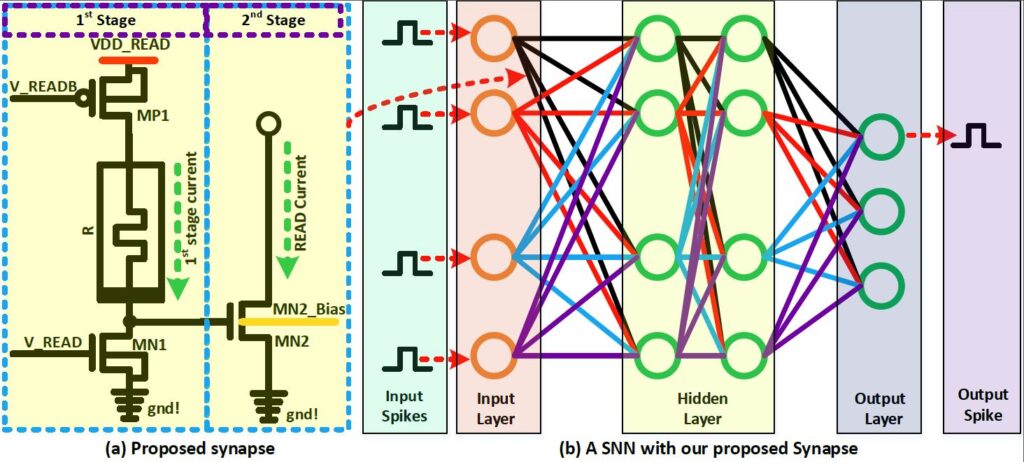
Neuromorphic computing is revolutionizing our approach to artificial intelligence by mimicking the brain’s architecture and functionality. Central to this paradigm are synapse-neuron interactions, which facilitate learning and memory through mechanisms like Spike-Timing-Dependent Plasticity (STDP). We are developing the basic components like synapse with emerging material (HfO2) based memory. At the same time different type of neurons are developed with various characteristics like refractory time, plasticity and so on. We also explore reservoir computing with emerging devices. We are using 65nm CMOS process from IBM for fabrication.
Dynamic Adaptation of Data Privacy
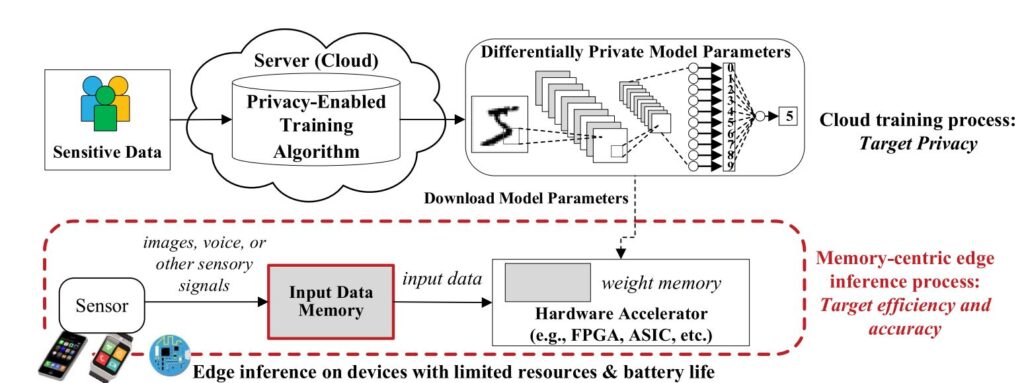
As the Internet of Things (IoT) expands, edge devices—ranging from smart home appliances to industrial sensors—are increasingly prevalent. While these devices offer numerous benefits, they also pose significant data privacy challenges. Ensuring the privacy and security of information processed at the edge is crucial in a landscape where data breaches can have far-reaching consequences.
Intelligent Surfaces for Wireless Communication and Sensing
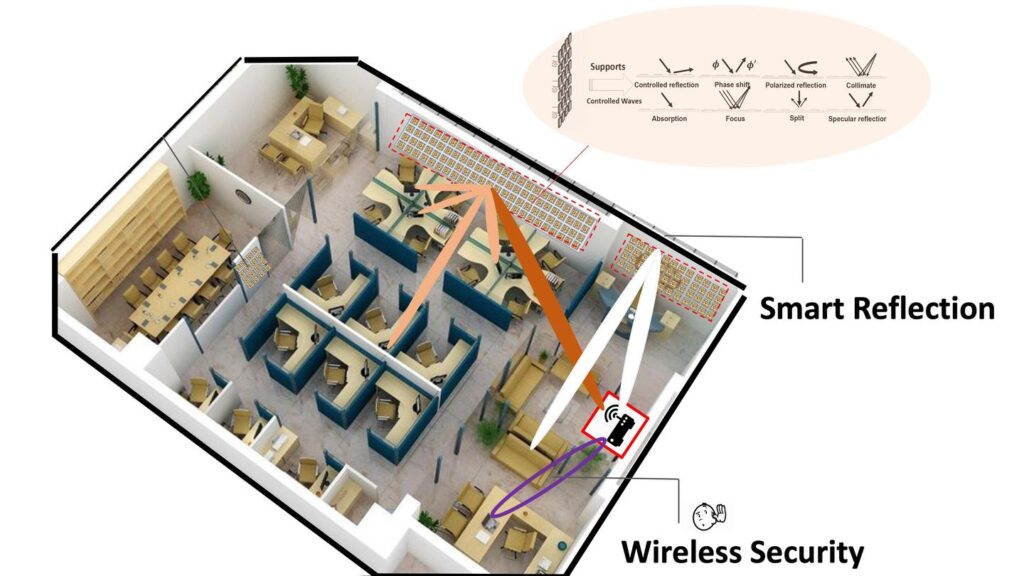
We design and demonstrate intelligent surfaces that can enhance the coverage, reliability, and security of mmWave networks. We design new data-driven AI protocols in order to learn and predict wireless channel dynamics via distributed in-surface sensing and computation. Through experimental evaluations, we investigate new cross-layer PHY/MAC protocols to dynamically reprogram the channel properties and create favorable transmission characteristics. In the modern era of wireless interconnected devices, the issue of security is a forefront concern. We explore the wireless security vulnerabilities in next-generation wireless communications (5G and beyond). In particular, we exploit distributed reconfigurable surfaces combined with link directionality at mmWave frequencies to enhance resilience against malicious attacks.
Human Machine Interface
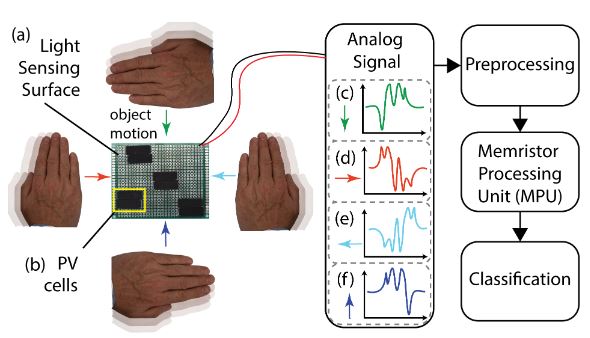
Neuromorphic human-machine interfaces (HMI) represent a groundbreaking fusion of neuroscience and engineering, enabling more intuitive and efficient interactions between humans and technology. By mimicking the neural architectures of the brain, these interfaces aim to create seamless communication pathways that enhance user experience and machine responsiveness.